In the fast-paced world of stock trading, staying informed about upcoming economic events is crucial for making informed decisions. The US Stock Economic Calendar is a valuable tool that provides traders and investors with a comprehensive overview of significant financial occurrences. This article will delve into the importance of the calendar, how to use it effectively, and provide insights into key economic indicators that can impact the stock market.
Understanding the US Stock Economic Calendar
The US Stock Economic Calendar is a schedule that lists upcoming economic events, releases, and data that could potentially influence the stock market. These events include employment data, inflation reports, interest rate decisions, and other economic indicators that are closely monitored by investors and traders.
Why is the Economic Calendar Important?
The US Stock Economic Calendar is essential for several reasons:
Market Sentiment: Economic events can significantly impact market sentiment. Positive news can lead to a rally, while negative news can trigger a sell-off.
Investment Decisions: By understanding the economic calendar, investors can make more informed decisions about when to buy or sell stocks.
Risk Management: Traders can use the calendar to identify high-risk periods and adjust their strategies accordingly.
How to Use the Economic Calendar
To use the US Stock Economic Calendar effectively, follow these steps:
Identify Key Economic Indicators: Understand which economic indicators are most relevant to your investment strategy. For example, if you are focused on the technology sector, you may want to pay close attention to employment data in the tech industry.
Monitor Release Times: Economic data is often released at specific times, such as 8:30 AM EST on Fridays for the unemployment report. Being aware of these release times can help you anticipate market movements.
Analyze Data: Once the data is released, analyze it to understand its implications for the stock market. For example, if the unemployment rate is lower than expected, it may indicate a strong economy, which could be positive for stocks.
Key Economic Indicators
Here are some of the most important economic indicators listed on the US Stock Economic Calendar:
Unemployment Rate: A lower unemployment rate is typically seen as a positive sign for the economy and can boost stock prices.
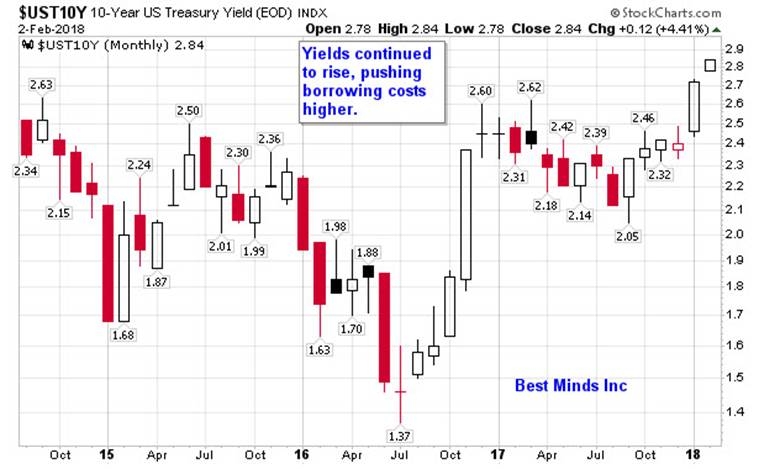
Consumer Price Index (CPI): CPI measures the rate of inflation and can have a significant impact on interest rates and stock market performance.
Interest Rate Decisions: Central banks, such as the Federal Reserve, make interest rate decisions that can influence the stock market.
GDP Growth: Gross Domestic Product (GDP) growth is a measure of economic activity and can provide insights into the overall health of the economy.
Case Studies
Let's look at a few case studies to illustrate the impact of economic events on the stock market:
2019 US-China Trade War: The trade tensions between the US and China had a significant impact on the stock market. As the negotiations progressed, the market reacted accordingly, with volatility increasing during uncertain times.
COVID-19 Pandemic: The outbreak of the COVID-19 pandemic caused a global economic downturn. As the situation evolved, the stock market experienced sharp declines followed by a rebound as the economy started to recover.
Conclusion
The US Stock Economic Calendar is a vital tool for investors and traders looking to stay informed about economic events that can impact the stock market. By understanding and utilizing this calendar effectively, you can make more informed decisions and manage your investment risks more effectively.
The Last of Us 2 Stock: A Comprehensive Gui? new york stock exchange